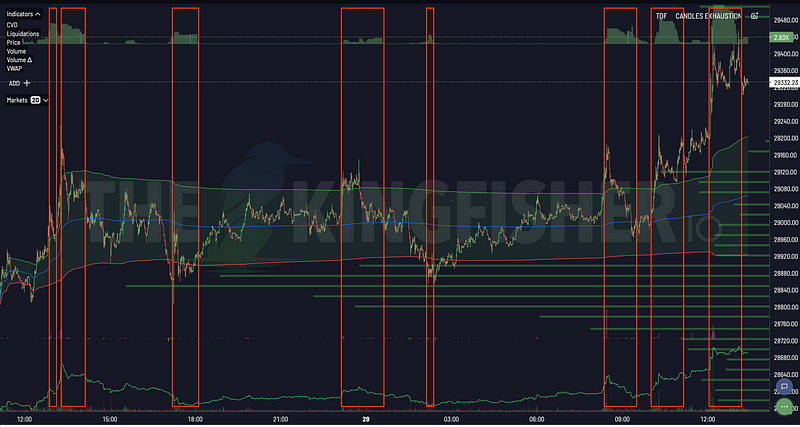

How to Start Trading Crypto: Complete Beginner's Guide for 2026

How to Start Trading Crypto: Complete Beginner's Guide for 2026

Introduction: Your First Steps in Crypto Trading

Ready to enter the cryptocurrency markets but don't know where to start? This guide explains how to start trading crypto step-by-step.

From choosing an exchange to executing your first trade, managing risk, and using professional tools like Kingfisher, we cover everything you need to begin your trading journey.


Step 1: Choose a Cryptocurrency Exchange

Major US Exchanges

Coinbase - Beginner Friendly:

  • Pros: Most user-friendly, FDIC insurance on USD, excellent mobile app
  • Fees: 0.50% (maker), 0.50% (taker) - higher but convenient
  • Security: Industry-leading, publicly traded
  • Best for: Complete beginners

Kraken - Professional Choice:

  • Pros: Lower fees, advanced trading tools, futures available
  • Fees: 0.16% (maker), 0.26% (taker) - competitive
  • Security: Excellent, never hacked
  • Best for: Serious traders

Binance. US - Feature Rich:

  • Pros: Most trading pairs, lowest fees, advanced features
  • Fees: 0.10% (maker), 0.10% (taker) - lowest
  • Cons: Limited US states support
  • Best for: Advanced traders

Gemini - Compliance First:

  • Pros: Regulatory focus, custody services, clean UI
  • Fees: 0.20% (maker), 0.40% (taker)
  • Best for: Compliance-conscious traders

International Exchanges (If Available)

Binance.com (Global):

  • Pros: Largest exchange, lowest fees (0.10%), most features
  • Cons: Not available in US
  • Best for: Non-US traders

Bybit:

  • Pros: Excellent for futures, advanced order types
  • Cons: Limited spot trading
  • Best for: Futures traders

Step 2: Create and Secure Your Account

Account Setup Process

1. Registration:

  • Visit exchange website
  • Enter email address
  • Create strong password (12+ characters, mixed case, numbers, symbols)
  • Verify email
  • Recommendation: Use unique password for crypto

2. Identity Verification (KYC):

  • Required for major exchanges
  • Documents needed:
  • Government-issued ID (passport, driver's license)
  • Proof of address (utility bill, bank statement)
  • Selfie verification (some exchanges)
  • Processing time: 1-3 business days
  • Required for: Fiat deposits, withdrawals, higher limits

3. Two-Factor Authentication (2FA):

  • Essential security measure
  • Set up Google Authenticator (preferred) or SMS
  • Backup recovery codes (store safely offline)
  • Never skip this step

4. Deposit Methods:

  • Bank transfer (ACH) - Low fees, 3-5 days
  • Wire transfer - Higher fees, same day
  • Debit card - Instant, higher fees (3-4%)
  • Recommendation: ACH for most deposits

Step 3: Make Your First Deposit

USD Deposit Example (Coinbase)

1. Navigate to Deposit:

  • Go to "Assets" or "Portfolio"
  • Click "Deposit" next to USD
  • Select deposit method

2. Bank Link (ACH):

  • Enter bank account details
  • Verify micro-deposits (2 small deposits)
  • Confirm amounts (1-3 business days)
  • Result: ACH enabled for future deposits

3. Make Deposit:

  • Enter deposit amount (e.g., $1,000)
  • Confirm bank account
  • Submit deposit
  • Processing: 3-5 business days

4. Confirm Deposit:

  • Check USD balance
  • Deposit confirmation email received
  • Success: Ready to trade

How Much to Deposit?

Beginner Recommendations:

  • Minimum: $500 - $1,000
  • Recommended: $2,000 - $5,000
  • Rule: Only deposit what you can afford to lose
  • Never: Money needed for bills, emergencies, or debt

Step 4: Execute Your First Trade

Understand Basic Terms

Key Concepts:

  • Bid: Highest price buyers are willing to pay
  • Ask: Lowest price sellers are willing to accept
  • Spread: Difference between bid and ask
  • Market Order: Execute immediately at current price
  • Limit Order: Execute at specified price or better
  • Stop-Loss: Automatically sell if price drops to specified level

Your First Buy Order (Bitcoin Example)

1. Choose Trading Pair:

  • Navigate to trading interface
  • Select "BTC-USD" pair
  • Most liquid market

2. Analyze Current Price:

  • Current BTC price: e.g., $50,000
  • 24-hour change: Check volatility
  • Caution: Avoid buying during extreme pumps

3. Place Market Order:

  • Select "Buy"
  • Order type: "Market" (recommended for beginners)
  • Amount in USD: e.g., $500
  • Preview: ~0.01 BTC
  • Fee: $2.50 (0.50% on Coinbase)
  • Click "Place Order"

4. Confirmation:

  • Order fills immediately
  • Check "Orders" or "Portfolio" for confirmation
  • BTC balance now shows: 0.01 BTC
  • Success: First trade complete!

Your First Sell Order

Taking Profits Example:

1. Check Current Price:

  • BTC now at $51,500 (3% gain)
  • Unrealized profit: $150

2. Place Sell Order:

  • Select "Sell"
  • Order type: "Market"
  • Amount: 0.005 BTC (half position)
  • Preview: ~$257.50
  • Fee: $1.29
  • Click "Place Order"

3. Realized Profit:

  • Sold value: $257.50
  • Original cost: $250
  • Gross profit: $7.50
  • Fees: $3.79 ($2.50 buy + $1.29 sell)
  • Net profit: $3.71
  • Lesson: Not bad for first trade!

Step 5: Learn Risk Management

The Golden Rule: 1-2% Per Trade

Position Sizing Formula:

Position Size = (Account Balance × Risk %) ÷ Stop-Loss Distance

Example:

  • Account: $5,000
  • Risk: 1% ($50 max loss)
  • Entry: $50,000
  • Stop-loss: $48,000 (4% price drop)
  • Stop distance: $2,000

Calculation:

Position Size = ($5,000 × 0.01) ÷ ($2,000 ÷ $50,000)
Position Size = $50 ÷ 0.04
Position Size = $1,250

Result:

  • Trade size: $1,250
  • If stop hit: Lose $50 (1% of account)
  • Controlled risk

Stop-Loss Orders

Always Use Stop-Losses:

  • Set at order entry (not after)
  • Example: Buy at $50,000, stop at $48,000
  • Automatic execution: No emotion needed
  • Maximum loss: Known in advance

Diversification

Don't Put Everything in One Coin:

  • Beginner portfolio:
  • Bitcoin (BTC): 50-60%
  • Ethereum (ETH): 20-30%
  • Other major coins: 10-20%
  • Never: All-in on one coin

Step 6: Use Professional Trading Tools

Kingfisher Analytics Platform

Professional Tools for Retail Traders:

1. Liquidation Maps:

  • Visualize large liquidation clusters
  • Identify support/resistance levels
  • Use case: Find entry/exit points

2. GEX+ (Gamma Exposure):

  • Options dealer positioning analysis
  • Exclusive data: Only Kingfisher provides this
  • Use case: Predict price reversals

3. Long vs Short Ratio:

  • Measure market sentiment
  • Contrarian trading: Go against the crowd
  • Use case: Spot reversal opportunities

4. Funding Rates:

  • Perpetual futures funding costs
  • Carry trade: Earn funding income
  • Use case: Calculate holding costs

5. Open Interest:

  • Total open contract positions
  • Trend strength: Rising OI + rising price = strong trend
  • Use case: Confirm market direction

Step 7: Develop a Trading Strategy

Trend Following Strategy

Setup:

  • Identify uptrend: Higher highs and higher lows
  • Buy pullbacks to support
  • Stop-loss: Below recent swing low
  • Take-profit: Next resistance level

Example (BTC):

  • Trend: Up from $45K to $52K
  • Pullback to: $49K (support)
  • Buy at: $49,000
  • Stop-loss: $47,000
  • Take-profit: $53,000
  • Risk-reward: 1:2

Range Trading Strategy

Setup:

  • Identify range: Support at $47K, resistance at $52K
  • Buy at support, sell at resistance
  • Stop-loss: Outside the range
  • Caution: Wait for breakout confirmation

Step 8: Keep a Trading Journal

What to Record

Every Trade Entry:

  1. Date and time
  2. Coin and trading pair
  3. Entry price
  4. Exit price
  5. Position size
  6. Profit/Loss
  7. Notes (what you learned)

Example Entry:

Date: 2026-02-01
Coin: BTC/USD
Entry: $50,000
Exit: $51,500
Size: $1,000
Profit: $30 (3%)
Notes: Good support at $50K, should have held longer

Review and Improve

Weekly Review:

  • Win rate: (Wins ÷ Total trades) × 100
  • Average win vs. average loss
  • Risk-reward ratio achieved
  • Improvement: Identify mistakes, adjust strategy

Common Beginner Mistakes to Avoid

Mistake 1: Using Leverage Too Early

Problem: Beginners using 10x, 20x leverage. Reality: 10% move = total loss of account Solution: Start with 1x (spot) only. Learn to trade profitably first.

Mistake 2: Emotional Trading

Problem: Buying FOMO, selling panic. Solution: Follow a trading plan. Never trade on emotions.

Mistake 3: Ignoring Stop-Losses

Problem: "It'll come back" mentality. Reality: It might not come back for years (or ever) Solution: Always use stop-losses. Always.

Mistake 4: Overtrading

Problem: Trading constantly, racking up fees. Solution: Wait for high-conviction setups. Quality > quantity.


US Crypto Taxes

Key Points:

  • Capital gains tax: Short-term (<1 year) = ordinary income rate, Long-term (>1 year) = 0%, 15%, or 20%
  • Every trade is taxable: Even crypto-to-crypto
  • Losses: Deductible up to $3,000 per year against ordinary income
  • Required reporting: All taxable events must be reported

Best Practices:

  • Keep detailed records of all trades
  • Use crypto tax software (CoinTracker, Koinly)
  • Quarterly estimated taxes: If significant profits

Security Best Practices

Essential Security:

  1. 2FA enabled: Always
  2. Strong passwords: Unique for each exchange
  3. Hardware wallet: For significant holdings
  4. Whitelist addresses: Limit withdrawal addresses
  5. Regular backups: Backup 2FA recovery codes

Daily Trading Routine

Morning Routine (7:00-8:00 AM ET)

  1. Market Overview:
  • Check crypto news
  • Review overnight price action
  • Identify market-moving events
  1. Your Portfolio:
  • Check open positions
  • Review stop-loss levels
  • Plan today's trades

During Trading Day

  1. Monitor Positions:
  • Check every 1-2 hours
  • Adjust stops if needed
  • Don't obsess: Constant checking leads to emotional decisions
  1. Execute Plan:
  • Only trade planned setups
  • Avoid impulse trades
  • Discipline: Follow your rules

Evening Routine (9:00-10:00 PM ET)

  1. Review Day:
  • Document all trades
  • Calculate P&L
  • Learn: What went right/wrong?
  1. Plan Tomorrow:
  • Identify potential setups
  • Set price alerts
  • Preparation: Reduces emotional decisions

Next Steps in Your Trading Journey

Month 1: Master the Basics

Goals:

  • Execute 10+ successful spot trades
  • Achieve 1:2 risk-reward ratio
  • Keep detailed trading journal
  • Focus: Learning, not profits

Month 3: Intermediate Skills

Goals:

  • Understand technical analysis basics
  • Master risk management
  • Use Kingfisher tools effectively
  • Achieve: First month of consistent profitability

Month 6: Consider Futures (Optional)

Prerequisites:

  • Consistent spot trading profits
  • Futures demo account success
  • Start small: 1-2x leverage only
  • Never: High leverage (>5x)

Advanced Learning Resources

Technical Analysis

Recommended Resources:

  • Books: "Technical Analysis of the Financial Markets" by John Murphy
  • YouTube: The Chart Guys, Tone Vays (for contrarian perspective)
  • Practice: Paper trading before real money

Fundamental Analysis

Key Metrics:

  • Market cap
  • Trading volume
  • Developer activity
  • Use case: Real-world utility

Risk Management

Essential Reading:

  • "Trade Your Way to Financial Freedom" by Van Tharp
  • Focus: Position sizing, psychology
  • Goal: Consistency over home runs

Conclusion: Start Your Trading Journey Today

Trading cryptocurrency is accessible to anyone. But consistently profitable trading takes time, practice, and discipline.

The Path to Success:

  1. Start small: Learn the basics with spot trading
  2. Manage risk: Never risk more than 1-2% per trade
  3. Control emotions: Follow your trading plan
  4. Keep learning: Improve every day
  5. Use professional tools: Kingfisher gives you institutional-level data

With Kingfisher, retail traders have access to:

  • Liquidation maps for support/resistance
  • GEX+ for dealer positioning
  • Long vs Short ratios for sentiment
  • 100% data accuracy: Professional grade

Stop trading blind. Start trading with an edge.


Start Trading with Professional Tools →

Free Kingfisher Account